
Keeping your laminate kitchen floor clean can be a challenge. Dirt, spills, and grime accumulate quickly, making the floor look dull.
Finding the best way to clean laminate floors is crucial for maintaining their shine and durability. Laminate floors are popular for their sleek look and ease of maintenance. Yet, they can easily show dirt and stains, especially in a busy kitchen.
Regular cleaning helps, but using the proper methods and products is key. Many people struggle to find the perfect technique that leaves their floor spotless without damage. This guide will explore practical ways to clean your dirty laminate kitchen floor. You’ll learn simple steps that save time and keep your floor looking great. Ready to discover the best cleaning methods? Let’s dive in!
Preparation
Proper preparation is crucial before starting the cleaning process. This ensures the best results and protects your laminate floor. Follow these steps to get ready.

Gather Supplies
First, gather all necessary supplies. Having everything on hand makes the task easier.
- Soft-bristle broom
- Microfiber mop
- Bucket
- Warm water
- White vinegar or laminate floor cleaner
- Soft cloth
Clear The Area
Next, clear the kitchen floor. Remove all obstacles to make cleaning more efficient.
- Move chairs and stools to another room.
- Pick up rugs and mats.
- Remove small appliances and other items from the floor.
With the area clear, you can now proceed with cleaning. Proper preparation ensures your laminate floor stays in good condition while achieving a spotless finish.
:strip_icc()/The-Best-Way-to-Clean-Laminate-Floors-to-Protect-Their-Shiny-Finish_sourcefile-92515000195c411994b06e5b23599fb4.jpg)
Credit: www.bhg.com
Sweeping
Proper sweeping is the first step to keeping your laminate kitchen floor clean. A good sweep can remove dirt, crumbs, and dust, preventing scratches and keeping your floor looking great. Follow these tips to sweep your laminate floor effectively.
Choose A Broom
Choosing the right broom is crucial for sweeping a laminate floor. A soft-bristle broom is best, as it is gentle and won’t scratch the surface. Avoid hard-bristle brooms, which can damage the laminate.
| Type of Broom | Features |
|---|---|
| Soft-Bristle Broom | Gentle on laminate, effective at picking up dust |
| Hard-Bristle Broom | It may scratch the laminate surface; best for outdoor use |
Proper Technique
Use the proper technique to sweep your laminate floor. This will ensure that you pick up all debris without damaging the floor.
- Start in one corner of the room.
- Sweep towards the center, gathering dust and crumbs.
- Use short, gentle strokes to avoid scratching.
- Collect the debris with a dustpan and dispose of it.
For best results, sweep daily. This keeps your laminate kitchen floor free from dust and dirt. Regular sweeping also helps maintain the floor’s shine and longevity.
Vacuuming
Vacuuming is an essential step in maintaining a clean, laminate kitchen floor. It effectively removes dust, dirt, and debris, preventing scratches and keeping the floor looking new. Use the right vacuum type and follow best practices to achieve the best results.
Vacuum Type
Choose a vacuum designed for hard floors. Avoid vacuums with beater bars, as they can scratch laminate surfaces. Opt for a vacuum with soft bristles. A vacuum with adjustable suction is also ideal, as it allows you to reduce power if needed. Handheld vacuums are helpful for small areas, as they are lightweight and easy to maneuver. Stick vacuums are another good option, as they are compact and efficient for daily cleaning.
Best Practices
Vacuum your laminate floor regularly. This prevents dirt from building up. Always use the vacuum’s hard floor setting. It ensures gentle cleaning. Move the vacuum in a straight line. Overlapping strokes are best. This ensures all dirt is removed. Pay extra attention to high-traffic areas. Corners and edges often collect more dust. Use vacuum attachments for these areas. Don’t forget to empty the vacuum bag or bin. A full bag reduces suction power. Keep your vacuum clean and well-maintained. This ensures it works efficiently every time.
Mopping
Clean dirty laminate kitchen floors with a damp mop and a mild cleaner. Avoid excessive water to prevent damage. Dry the floor immediately for best results.
Mopping is essential for a spotless laminate kitchen floor. It effectively removes dirt and spills, enhancing the kitchen’s look and hygiene. Follow these steps for the best results.
Select Mop
Choosing the right mop is crucial. A microfiber mop works well for laminate floors. It picks up dust and dirt without scratching the surface. Avoid sponge mops as they leave too much water. Excess water can damage the laminate.
Mopping Solution
Use a gentle mopping solution. Mix water with a few drops of dish soap. Avoid harsh chemicals that can harm the laminate. Vinegar and water are another good option. It cleans well and leaves no residue. Always wring out the mop to avoid excess water. Wipe the floor with a dry cloth afterward to ensure no water remains. “`
Spot Cleaning
Spot cleaning is essential for maintaining the appearance of your laminate kitchen floor. It addresses small spills and stains before they spread, helping keep the floor looking fresh between deep cleans.
Identify Stains
First, identify the type of stain on your laminate floor. Common stains include food, grease, and drink spills. Knowing the type of stain helps you select the right cleaning method.
Targeted Cleaning Methods
Use a damp cloth or paper towel to blot the stain for simple stains gently. Avoid scrubbing, as it can damage the laminate.
For greasy stains, use a mild detergent solution. Mix a few drops of dish soap with warm water. Dampen a cloth with the solution and blot the stain. Rinse with a clean, damp cloth to remove any soap residue.
If you encounter tough stains, such as ink or marker, use rubbing alcohol. Apply a small amount to a cotton ball. Gently rub the stain until it lifts. Wipe the area with a damp cloth to remove any residue.
Remember always to test cleaning solutions on a small, hidden area first. This ensures they do not damage the laminate.
Drying
Drying your laminate kitchen floor after cleaning is crucial. Proper drying prevents streaks and water damageage and ensures a shiny finish. Let’s explore the best methods for drying your floor effectively.
Air Drying
Air drying is an easy and eco-friendly method. Open windows and doors to create airflow. This helps speed up the drying process. Good ventilation ensures no damp spots remain.
Use ceiling or standing fans to enhance air circulation. Direct the fan towards the wet areas for faster results. This method is energy-efficient and leaves your floor spotless.
Using Towels
Another effective drying method is using towels. For best results, choose absorbent, clean towels. Place the towels flat on the floor and gently press down.
Move the towels in a circular motion to help them soak up excess water. If needed, repeat the process with dry towels. Ensure no water remains on the surface.
Combine towel drying with air drying for optimal results. This ensures your laminate floor stays in excellent condition.
Maintenance
Keeping your laminate kitchen floor clean requires regular maintenance. This helps in preserving its appearance and longevity. A well-maintained floor also prevents the buildup of dirt and grime. Here are some easy tips for maintaining your laminate kitchen floor:
Regular Cleaning Schedule
Establishing a regular cleaning schedule is essential. Sweep or vacuum your floor daily to remove dirt and debris. This prevents scratches and keeps your floor looking new. Use a damp mop once a week to remove stuck-on grime. Avoid soaking the floor with water.
| Task | Frequency |
|---|---|
| Sweeping/Vacuuming | Daily |
| Damp Mopping | Weekly |
Preventive Measures
Prevention is better than cure. Place mats at entrances to trap dirt and moisture. Use felt pads under furniture to avoid scratches. Clean spills immediately to prevent stains and warping. Avoid using harsh chemicals or abrasive cleaners.
- Use mats at doorways.
- Place felt pads under furniture
- Clean spills promptly
- Avoid harsh chemicals
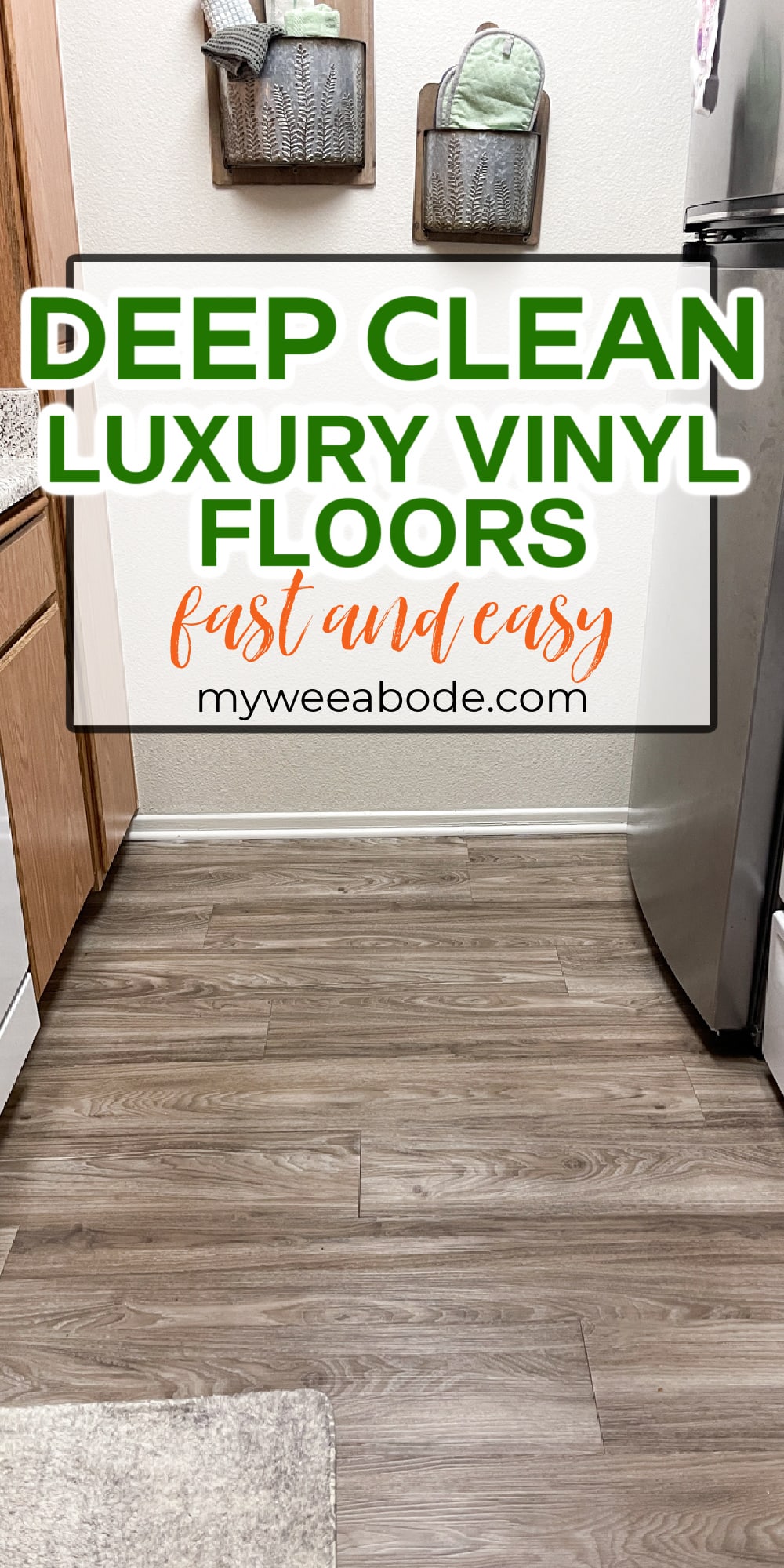
Credit: myweeabode.com
Common Mistakes
Cleaning a dirty, laminate kitchen floor might seem easy, but many people make common mistakes that can damage the floor. Here, we will discuss some of these mistakes and learn how to avoid them to keep your floor clean and shiny.
Avoid Excess Water
Using too much water can harm laminate floors. Water can seep into the seams, swelling and warping. Instead, use a damp, well-wrung mop.
Follow these steps:
- Dip the mop in water.
- Wring out the mop until it is just damp.
- Wipe the floor gently.
If any water pools on the floor, wipe it up immediately. Standing water can damage the laminate.
Using Harsh Chemicals
Harsh chemicals can strip the protective layer of laminate floors, making them look dull and worn out. Avoid using bleach or strong detergents.
Consider using these safer options:
- A mix of vinegar and water.
- A mild dish soap solution.
- Commercial cleaners designed for laminate floors.
Always test a small area first to ensure the cleaner doesn’t damage the floor. Apply the cleaner with a soft cloth or mop; never use abrasive tools.
Credit: www.reddit.com
Frequently Asked Questions
How Do I Clean A Very Dirty Laminate Floor?
To clean a filthy laminate floor, sweep or vacuum first. Then, use a damp mop and a mild laminate floor cleaner. Avoid excessive water.
Can Vinegar Damage Laminate Floors?
Yes, vinegar can damage laminate floors. Its acidic nature can strip the protective layer. Instead, use a pH-neutral cleaner.
What Is The Best Cleaner For Laminate Floors?
The best cleaner for laminate floors is a pH-neutral cleaner. Specifically designed laminate floor cleaners work best.
How Often Should You Clean Laminate Floors?
You should clean laminate floors weekly. Regular sweeping and occasional mopping keep them in top condition.
Conclusion
Achieving a clean, laminate kitchen floor is easier than you think. Regular sweeping removes dirt. Use a damp mop for deeper cleaning. Avoid soaking the floor. Mild cleaners work best. Don’t use harsh chemicals. Dry the floor after mopping. This prevents water damage.
Consistency is key. A clean floor enhances your kitchen’s appeal. Follow these tips for a spotless laminate floor.

