
Starting a cloud kitchen can be a smart move. It’s cost-effective and meets the growing demand for food delivery.
Cloud kitchens, also known as ghost kitchens, are commercial facilities that prepare food specifically for delivery. Unlike traditional restaurants, they don’t have dining areas, which means lower overhead costs. This model has become popular, especially with the rise of food delivery apps.
But how do you start a cloud kitchen? The process can seem daunting, from choosing the right location to setting up the necessary technology. This guide breaks down the steps to help you launch your successful cloud kitchen. Whether you’re an experienced restaurateur or a newbie, these tips will set you on the right path.

Introduction To Cloud Kitchens
Starting a cloud kitchen is a smart way to enter the food business. It’s cost-effective and efficient, and you can focus on cooking without worrying about a dine-in space. Cloud kitchens are becoming popular among food entrepreneurs.
Concept And Benefits
Cloud kitchens are also known as ghost kitchens or virtual kitchens. They operate without a traditional storefront. Here are some key benefits:
- Low startup costs
- Flexible menus
- Wide delivery reach
- Easy to scale
These kitchens focus on delivery-only services and reach customers through online platforms. This model is perfect for experimenting with different cuisines and concepts.
Market Trends
The cloud kitchen market is growing rapidly. Here are some trends:
- Increased demand for online food delivery
- Rise of food delivery apps
- Emphasis on hygiene and safety
- Adoption of advanced technology
Food delivery apps have made it easier to reach customers. They provide a platform for cloud kitchens to thrive. Technology plays a significant role in this industry. It helps manage orders and track deliveries efficiently.
| Trend | Impact |
|---|---|
| Online food delivery | Higher customer reach |
| Food delivery apps | Easy order management |
| Hygiene focus | Customer trust |
| Advanced technology | Efficient operations |
Choosing A Business Model
Starting a cloud kitchen involves many important decisions. One of the most crucial is choosing the right business model. The business model you select will significantly impact your operations, costs, and potential for success. Let’s explore two popular options: Independent Cloud Kitchen and Shared Cloud Kitchen.
Independent Cloud Kitchen
An Independent Cloud Kitchen is a stand-alone operation. You have complete control over the kitchen space and operations. This model is ideal for those who want to create a unique brand. You can design the menu, set the kitchen layout, and manage staff as you see fit.
Owning an independent cloud kitchen means bearing all costs, including rent, utilities, equipment, and supplies. You also need to handle marketing and customer service. While this model offers freedom and creativity, it requires significant investment and effort.
Shared Cloud Kitchen
A Shared Cloud Kitchen involves renting kitchen space in a larger facility. Multiple food businesses share the same kitchen area. This model reduces costs and risks. You only pay for the space and resources you use.
Shared kitchens often provide essential equipment and utilities. This saves you from hefty upfront investments. Also, these facilities usually handle maintenance and compliance. This allows you to focus more on cooking and delivering food. Shared kitchens are perfect for startups and small businesses wanting to test the market.
Location And Setup
If planned well, starting a cloud kitchen can be a profitable venture. The location and setup play crucial roles in its success. Choosing the right location and investing in the necessary equipment can make a significant difference. Let’s dive into the specifics.
Ideal Locations
Choosing the right location is vital. A good location ensures timely deliveries and a broad customer base. Urban areas with high population density are ideal, as there is a constant demand for food delivery services. Proximity to office hubs or residential complexes can also be beneficial. It reduces delivery time and increases customer satisfaction.
Ensure the location is easily accessible for delivery personnel. Good road connectivity helps in quick deliveries. Also, check local regulations and permits. Some areas might have restrictions on commercial kitchens. Do your research thoroughly before finalizing the location.
Necessary Equipment
Setting up a cloud kitchen requires investing in essential equipment. Basic cooking appliances like ovens, stoves, and fryers are necessary. Ensure they are of good quality for long-term use. Refrigeration units are crucial for storing perishable items. Invest in commercial-grade refrigerators and freezers.
Proper storage racks and shelves help in organizing the kitchen. It makes the workflow more efficient. Consider getting food processors and mixers. They save time and effort in food preparation. Safety equipment like fire extinguishers and first aid kits are a must. They ensure the safety of your kitchen staff.
Invest in a reliable point-of-sale (POS) system. It helps manage orders and payments efficiently. A sound POS system can integrate with online delivery platforms and streamline order processing and tracking. Choose equipment that fits your budget and meets your kitchen’s needs.
Menu Planning
Menu planning is a crucial step in starting a cloud kitchen. The right menu can attract customers and ensure smooth operations. It’s vital to select dishes that are popular and practical for delivery.
Popular Cuisine Options
Choosing the proper cuisine can set your cloud kitchen apart. Here are some popular options:
- Italian: Pasta, pizza, and risotto are favourites.
- Chinese: Noodles, fried rice, and dumplings.
- Indian: Curries, biryani, and naan.
- Mexican: Tacos, burritos, and quesadillas.
- American: Burgers, fries, and BBQ.
Consider your target audience’s preferences. Also, think about your kitchen’s capabilities.
Menu Design Tips
Designing an effective menu involves more than just listing dishes. Here are some tips:
- Keep it Simple: Too many options can overwhelm customers.
- Highlight Specials: Use bold colors to draw attention.
- Use Descriptive Names: Make dishes sound appealing.
- Include Images: Visuals can entice customers to order.
- Think About Delivery: Choose dishes that travel well.
A well-designed menu can improve customer satisfaction and streamline your kitchen operations.
Use clear, concise descriptions. Avoid jargon. Make sure the menu is easy to read and navigate.
Technology Integration
Technology integration is crucial for the success of a cloud kitchen. It ensures smooth operations, enhances customer experience, and boosts efficiency. A cloud kitchen can streamline processes and reduce errors by leveraging the right tools. Below, we explore two key technological aspects essential for a cloud kitchen: Online Ordering Systems and Kitchen Management Software.
Online Ordering Systems
An online ordering system is the backbone of a cloud kitchen. It allows customers to place orders directly from their devices. This system reduces the need for manual order-taking and minimizes errors. Choose a user-friendly platform that integrates well with your existing setup. This ensures a seamless experience for your customers.
Look for features like real-time order tracking and multiple payment options. These features enhance your customers’ convenience. A sound online ordering system also provides valuable data on customer preferences. Use this data to tailor your menu and marketing strategies.
Kitchen Management Software
Kitchen management software helps in organizing kitchen operations efficiently. It tracks inventory, manages recipes, and schedules staff. This software ensures that your kitchen runs smoothly. It helps in maintaining consistency in food quality and reduces waste.
Opt for software that offers real-time updates and integrates with your online ordering system. This integration ensures that the kitchen staff receives orders instantly and helps manage delivery times effectively. The right kitchen management software can significantly boost your kitchen’s productivity.
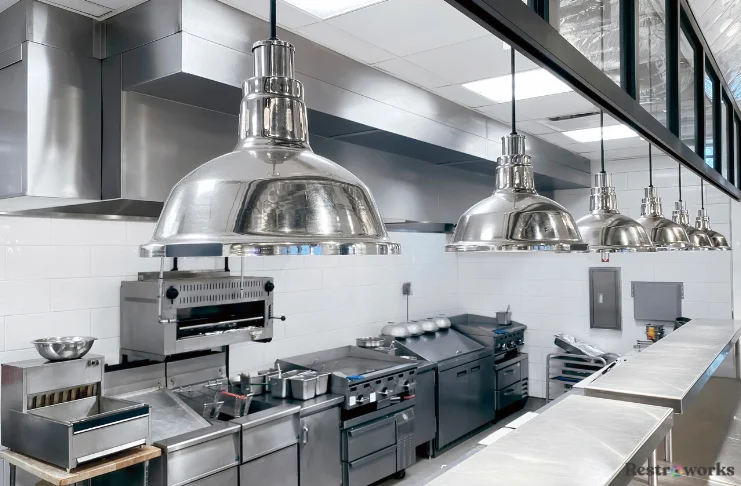
Credit: www.restroworks.com
Marketing And Branding
Starting a cloud kitchen is exciting, but success depends on how well you market and brand your business. Developing a strong brand identity and effective marketing strategies is crucial. These elements help you stand out in a competitive market and attract loyal customers.
Creating A Brand Identity
Your brand identity sets you apart from the competition. It includes your logo, colour scheme, and brand voice. Consistency is key, so ensure your branding is consistent across all platforms.
Start with a unique and catchy name. It should reflect your cuisine and be easy to remember. Design a logo that represents your brand. Use colors that evoke the right emotions. For instance, red can stimulate appetite, while green suggests freshness.
| Element | Description |
|---|---|
| Logo | A visual representation of your brand. |
| Color Scheme | Colors that convey your brand’s message. |
| Brand Voice | The tone and style of your communication. |
Define your brand’s personality. Is it fun and quirky or serious and professional? Use this personality in all your communications, including social media posts, website content, and customer interactions.
Effective Marketing Strategies
Effective marketing strategies are essential for attracting and retaining customers. Start with a well-designed website that is easy to navigate and mobile-friendly. Include high-quality images of your dishes and an easy-to-use ordering system.
Use social media to your advantage. Platforms like Instagram, Facebook, and Twitter are great for reaching potential customers. Post regularly and engage with your followers. Share behind-the-scenes content, customer reviews, and special promotions.
- Offer discounts and promotions.
- Collaborate with food bloggers and influencers.
- Utilize email marketing to keep customers informed
Encourage customer reviews. Positive reviews build trust and attract new customers. Make it easy for customers to leave reviews on platforms like Google and Yelp.
Invest in local SEO. Optimize your website for local search terms. This helps customers in your area find your cloud kitchen. Use keywords related to your location and cuisine.
Finally, consider partnering with food delivery apps like UberEats and DoorDash. These platforms can help you reach a wider audience and increase your sales.
Staffing Your Cloud Kitchen
Starting a cloud kitchen involves more than just the right equipment and location. Staffing your cloud kitchen correctly is crucial for success. The right team will ensure smooth operations and high-quality service. Proper training and development can lead to a highly efficient kitchen.
Hiring The Right Team
Finding the right staff for your cloud kitchen is essential. Look for individuals with experience in fast-paced environments. They should be adaptable and quick learners. Here are some key roles to fill:
- Head Chef: Oversees kitchen operations and ensures food quality.
- Line Cooks: Prepare and cook various dishes quickly.
- Kitchen Assistants: Help with prep work and cleaning duties.
- Delivery Staff: Ensure timely and safe delivery of orders.
Consider hiring part-time or flexible staff to manage peak times. Find candidates using job boards, social media, and staffing agencies. Conduct thorough interviews to assess skills and cultural fit.
Training And Development
Practical training is vital for maintaining high standards. Start with a comprehensive onboarding process. This should include:
- Introduction to kitchen equipment and safety procedures.
- Detailed overview of the menu and recipes.
- Hands-on training sessions with experienced staff.
Regularly update training materials and conduct refresher courses. Encourage continuous learning by offering workshops and online courses. Focus on food safety and hygiene practices. This ensures compliance with health regulations.
Implement a feedback system to track progress. Provide constructive feedback and recognize achievements. This will boost morale and improve performance.
| Training Topic | Frequency | Responsible Person |
|---|---|---|
| Food Safety | Monthly | Head Chef |
| Menu Updates | Quarterly | Head Chef |
| Equipment Handling | Bi-Annually | Kitchen Manager |
Investing in your team’s development pays off. It results in higher efficiency and customer satisfaction. Happy employees are more likely to stay, reducing turnover costs.
Managing Finances
Managing finances is crucial for the success of your cloud kitchen. Proper financial management helps you track expenses and revenues, and it ensures profitability and sustainability in the long run. Two key aspects to focus on are budgeting, cost control, and identifying revenue streams.
Budgeting And Cost Control
Start by creating a detailed budget. List all your expected expenses, including rent, utilities, ingredients, and staff salaries. Allocate funds for marketing and unexpected costs. Stick to your budget to avoid overspending.
Monitor your expenses regularly. Use accounting software to keep track. Cut unnecessary costs where possible. Bulk buying ingredients can save money. Negotiate with suppliers for better prices. Efficient cost control improves your profit margins.
Revenue Streams
Identify multiple revenue streams for your cloud kitchen. Offer delivery services through various platforms. Partner with food delivery apps to reach more customers. Create a user-friendly website for online orders.
Consider offering catering services for events. Sell packaged meals or meal kits, which can be an additional source of income. Diversifying your revenue streams reduces financial risk and ensures a steady cash flow.
Legal And Compliance
Starting a cloud kitchen involves more than just great food and marketing. Ensuring your business meets legal and compliance requirements is crucial. These steps protect your business and build customer trust. Let’s look at the key areas you need to focus on.
Licenses And Permits
First, obtain the necessary licenses and permits. These vary by location. Typical requirements include a business license, food service permit, and health department approval. Check with local authorities for specific needs. Having the proper paperwork keeps your operations legal and smooth.
Food Safety Regulations
Food safety regulations are vital for cloud kitchens. Follow food handling, storage, and preparation guidelines, and regularly train staff on these practices. Proper sanitation and hygiene reduce the risk of foodborne illnesses. Adhering to these regulations ensures customer safety and builds trust.
Future Growth
Future growth in the cloud kitchen industry offers significant potential. This potential stems from the increasing demand for food delivery services. You must focus on scaling and staying ahead of the competition to succeed.
Scaling Your Business
Scaling a cloud kitchen requires a strategic approach. Start by analyzing market demand and consumer preferences. This analysis helps identify popular cuisines and peak order times.
Invest in technology to streamline operations. Use kitchen management software to track inventory and order status. Automate repetitive tasks to save time and reduce errors.
Consider expanding your menu or adding new brands to attract a diverse customer base. Collaborate with delivery platforms to increase your reach. Offer promotions to boost customer loyalty and retention.
Staying Ahead Of Competition
To stay ahead, monitor industry trends and competitor activities. Then, based on customer feedback and market research, regularly update your menu. This will keep your offerings fresh and relevant.
Invest in quality ingredients and maintain high hygiene standards. This will enhance customer satisfaction and build a strong reputation. Use data analytics to understand customer behaviour and preferences.
Engage with your customers through social media and respond promptly to their queries and feedback. This will foster a positive relationship and encourage repeat business.
Continuously innovate and adapt to changes. Explore new marketing strategies and partnerships. This will ensure that your cloud kitchen remains competitive and poised for future growth.
Frequently Asked Questions
What Is A Cloud Kitchen?
A cloud kitchen is a delivery-only restaurant. It operates without a dine-in facility. It focuses on online orders and delivery services.
How Do I Start A Cloud Kitchen?
Start by researching the market. Find a good location. Get the necessary licenses. Build a strong online presence. Partner with delivery platforms.
What Equipment Do I Need?
You need commercial kitchen equipment, including stoves, ovens, refrigerators, and preparation tables. You should also invest in packaging materials and delivery supplies.
How Much Investment Is Required?
The investment depends on location and scale, but it typically ranges from $20,000 to $100,000. This includes equipment, licenses, and marketing.
Final Words
Starting a cloud kitchen can be a rewarding venture. Plan carefully and choose a good location. Ensure your menu is unique and appealing. Invest in quality equipment and ingredients. Marketing is crucial; use social media effectively. Customer satisfaction should always be a priority.
Keep track of your finances and stay organized. Adapting to feedback will help your business grow. Remember, success takes time and effort. Stay dedicated and focused on your goals.

